Avante Raises $30 Million: Why Is an AI Agent Entering the Employee Benefits Process?

The world of enterprise AI isn’t limited to writing code, marketing, and generating reports. There are other tasks that rarely take center stage at tech conferences, yet are consumed daily by mountains of paperwork, repetitive communication, and complex rules. Employee benefits management is one such area: employees want to know what benefits they’re eligible for, while companies need to track where their money is going, to...


Coordinating 11 Laboratories on His Own: How Is Cody Tranbarger Using Claude to Advance Rare Disease Research and Development?

“The most common perception of a ”one-person company” is that a single individual uses AI to write code, create designs, and handle sales. But when that company is researching drugs, the story cannot be understood solely in terms of miracles of efficiency. Experiments rely on real equipment and professionals, and conclusions must stand up to scrutiny; reducing the size of the organization does not eliminate scientific risks...

Walmart Plans to Create a Separate Database for AI: Commercializing "Agent"—First, Resolving Who Grants Authorization and Who Pays the Bill

It’s not hard to get an AI to find a carton of milk. But getting it to choose the right size, use the correct payment method, know when to stop when prices change, and provide a clear resolution process in case of a mistake—that’s what comes close to a sustainable business. On October 21, Walmart announced its arrangements for shopping agents: A...

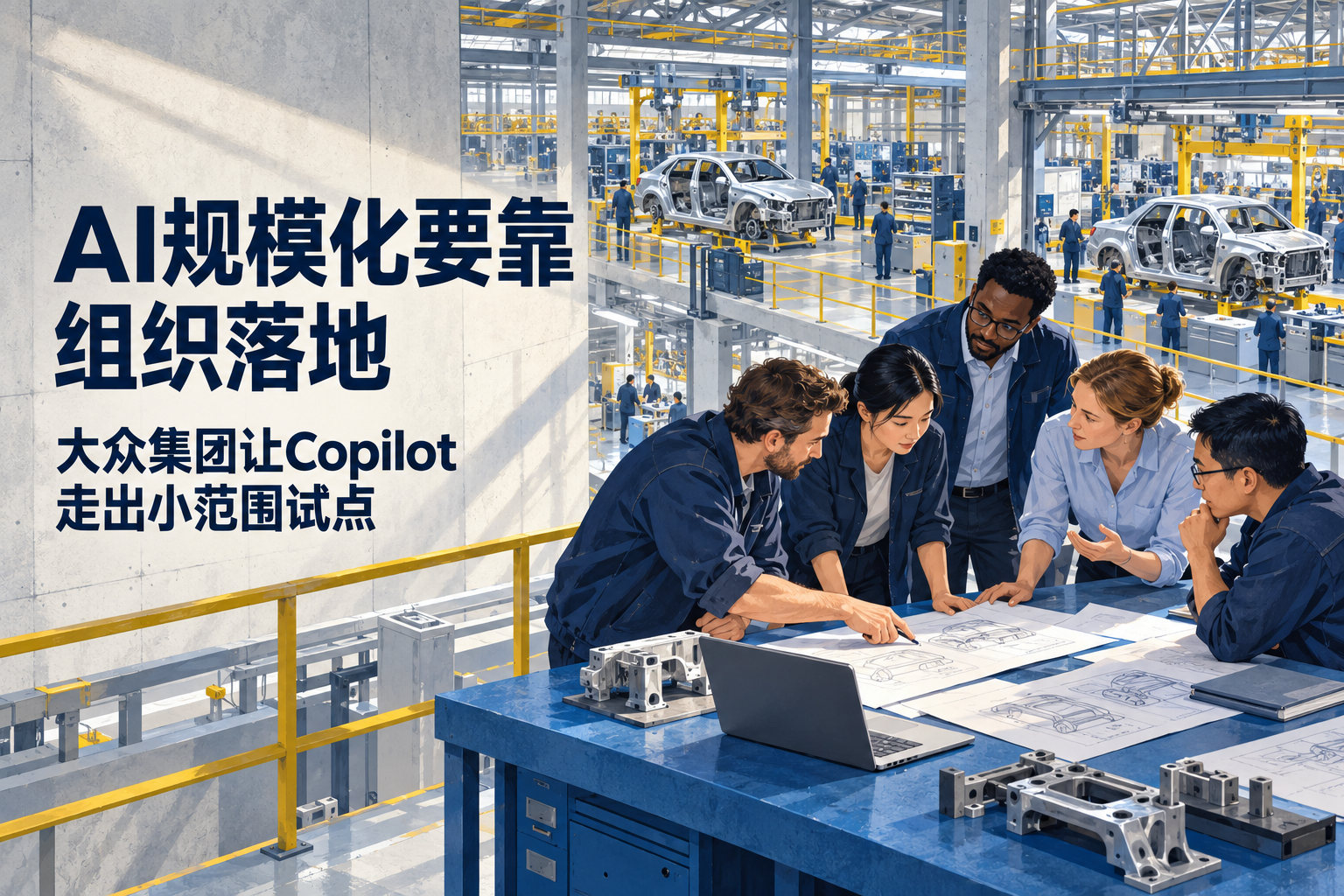
With Over 330,000 Volkswagen Group Employees Equipped with Copilot, How Can Enterprise AI Move Beyond the Pilot Phase?

More than 330,000 Volkswagen Group employees have been equipped with Copilot, marking a milestone in the phased rollout rather than a one-day deployment. This article distinguishes between employee coverage, monthly active users, and active agents; analyzes work context, data permissions, and organizational governance; and discusses how enterprises can verify actual returns.

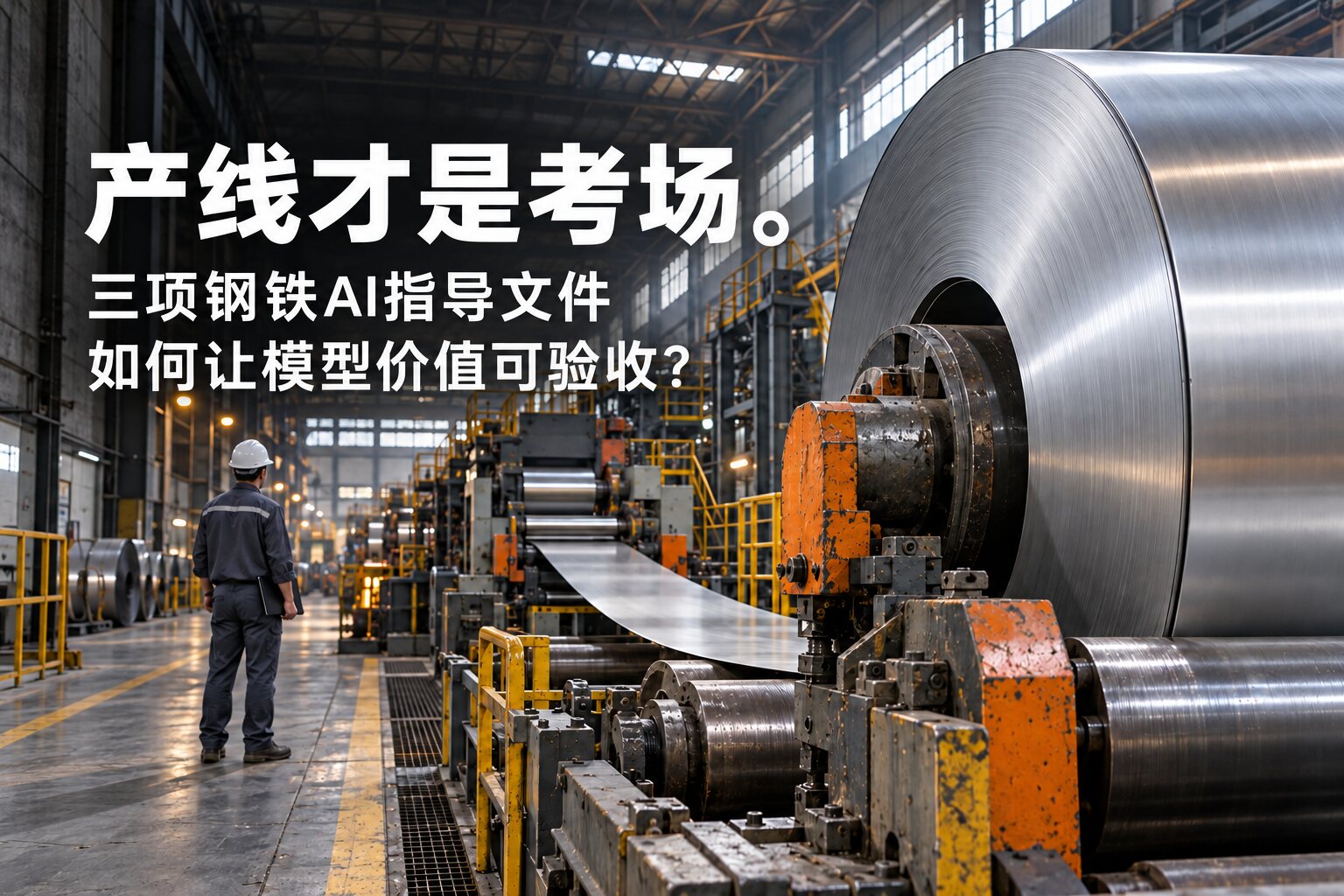
A New Benchmark for AI in the Steel Industry: How Can Large Industrial Models Move from “Demo Mode” to “Production-Ready”?

A large-scale steel model capable of answering technical questions and generating analytical reports can easily capture the audience’s interest during a demonstration. But once the procurement process begins in earnest, the questions become more specific: Can the system still function if a different steel grade is used? Are the recommendations still reliable if the conditions of raw materials or equipment change? Who takes responsibility if something goes wrong? If these issues cannot be repeatedly verified...

OpenAI Has Acquired Orchestra Bio: Competition in AI-Driven Drug Discovery Extends to the R&D Process

A batch of production materials has encountered issues, and the impact may extend beyond the production department. Whether follow-up research needs to be adjusted, whether clinical trials need to be postponed, and which partners should have their schedules rescheduled may all depend on this single piece of news. Challenges in drug development arise not only at the lab bench but also at the interfaces between departments and projects...

As the rules governing AI technology exports enter a period of adjustment, what do companies expanding overseas need to clarify first?

The Ministry of Commerce and the Ministry of Science and Technology are soliciting public comments on revisions to the Technology Export Catalog and are simultaneously implementing a temporary pre-export registration system for relevant technologies. How should AI companies distinguish between policy phases, technology delivery, and service invocation, and reassess their overseas expansion strategies and partnership boundaries?