
Life 3.0
Explore the new era of life and reveal the future evolutionary path of intelligent life.
Starting with the diffusion of AI and biotechnology, this book explores technological capabilities, power structures, and governance challenges; it is suitable for Chinese-speaking readers who wish to move beyond a purely tool-oriented perspective.

When discussing artificial intelligence, we often focus on new features, efficiency, and product competition. *The Wave Is Coming: Technology, Power, and the Impact on the Future* takes the discussion a step further: As powerful technological capabilities become increasingly accessible, who will gain new opportunities, who will bear the risks, and how should existing organizations and social institutions respond? It is ideal for readers seeking to move beyond mere tool usage toward broader technological judgment.
Authors: Mustafa Suleiman and Michael Pascal; Translated by Jia Haibo; Published by CITIC Publishing Group, October 2024; ISBN 9787521768480. This entry describes the Chinese translation. Suleiman is one of the co-founders of DeepMind, and his professional background provides context for understanding the book’s perspective; readers should nevertheless distinguish the authors’ arguments from their own judgments.
This book examines the wave of technologies represented by artificial intelligence and biotechnology, as well as their impact on prosperity, power, and social order. It raises governance issues worthy of discussion: How can we ensure that technology delivers tangible benefits while minimizing the risks of abuse and loss of control? As technology continues to lower the barriers to entry, are existing regulatory mechanisms sufficient?
There is no simple on-off switch for these issues. When it comes to the same technology, different people may simultaneously see opportunities for productivity gains, organizational risks, and institutional pressures. The value of reading lies in learning to unravel these layers, rather than jumping directly from a single case study to an overall optimistic or pessimistic conclusion.
It is not intended as a programming tutorial, nor does it offer definitive predictions for every industry. If your primary goal is to improve your workflow, you may want to start by reading hands-on guides and then use the questions posed in this book to evaluate your own solutions.
When reading, you may want to take notes in three columns: the author’s conclusion, the evidence supporting that conclusion, and possible counterexamples. Especially when it comes to predictions about the future, be sure to note the assumptions on which they are based. Technological capabilities, adoption rates, business incentives, and regulatory responses may all change; you cannot assume that the entire line of reasoning will necessarily hold true simply because one of these factors is valid.
For team reading sessions, you can choose a specific scenario—such as using AI to assist with customer inquiries. Start by discussing what improvements it can bring, then move on to what information should not be entered, which responses must be reviewed by a human, how errors are tracked, and how users can file complaints. Breaking down broad issues into clear responsibilities is often more helpful than engaging in abstract debates.
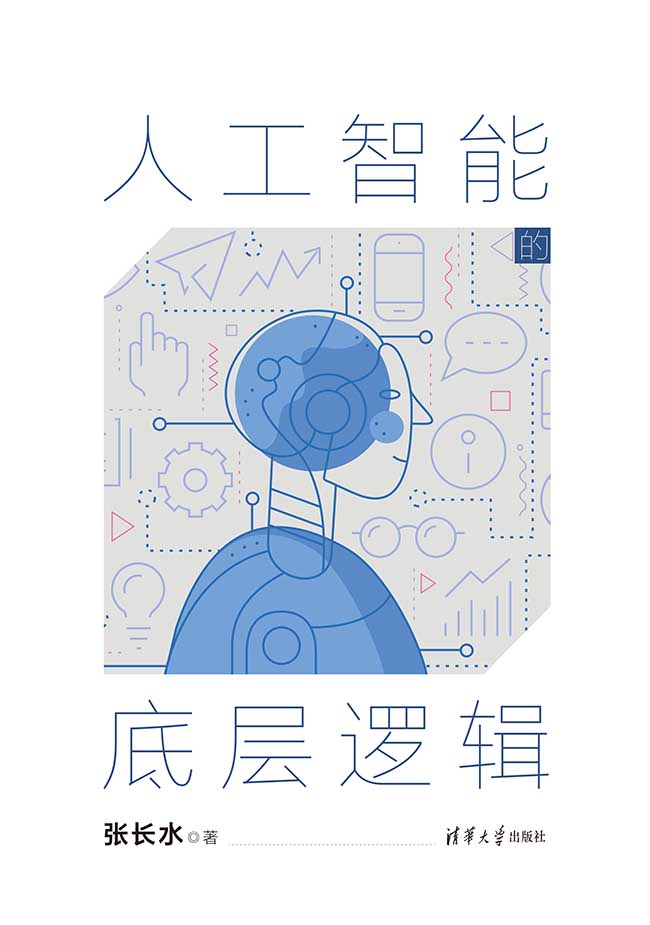
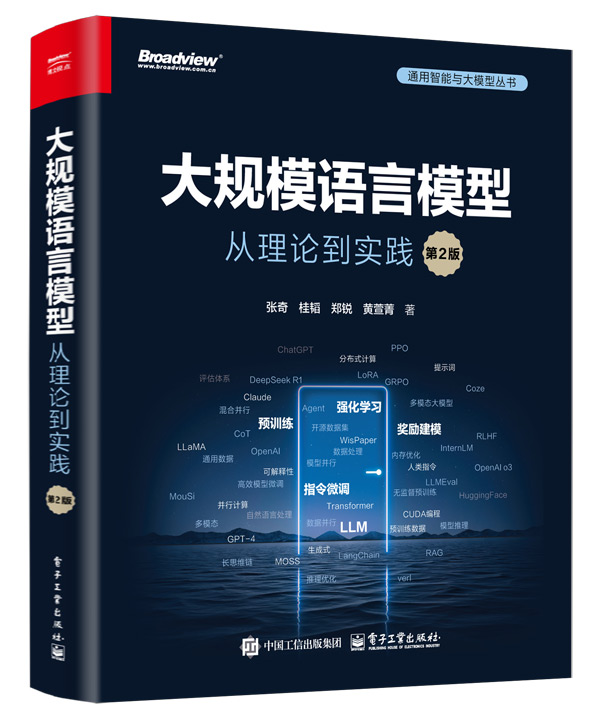
*The Underlying Logic of Artificial Intelligence* helps readers understand the fundamental capabilities; *Large Language Models: From Theory to Practice (2nd Edition)* focuses more on the technical systems; *Data Analysis with AI* addresses everyday tasks; and this book offers a perspective for examining the external impacts of these applications. Reading these four works together provides a comprehensive view that spans from principles to practice and on to responsibility.
Works of this kind reflect the author’s value judgments and projections for the future. Readers may agree with the importance of the issues raised while still questioning specific arguments. It is recommended to revisit these works in light of actual developments following publication, but readers should not treat the scenarios outlined in the book as facts that have already occurred.
This site recommends this book to supplement our AI reading list with perspectives on technological governance and social impact; it is not intended to claim that it holds any unverified ranking in that day’s sales. Please verify the Chinese edition’s ISBN, translator, and seller before purchasing.
View the Dangdang book page and information about the Chinese edition
Date of bibliographic information verification: October 17, 2026. The reading methods, comparisons, and suggestions for group discussions were compiled by the editors of this site.
The cover is used solely for the purpose of identifying and introducing this book; copyright belongs to the respective rights holders.


 简体中文 简体中文
  English